| Government Affairs |
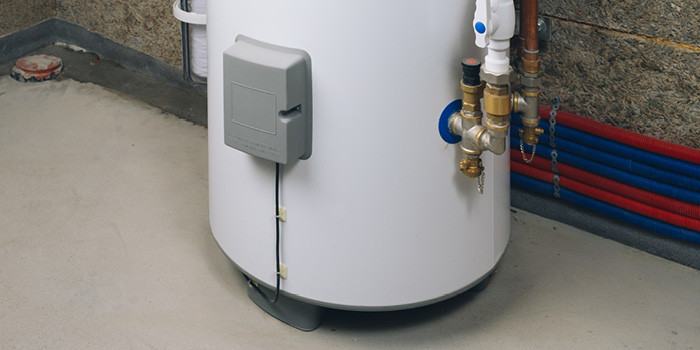
Bay Area Air District Delays Water Heater Ban Amid Rising Concerns
SAMCAR members should continue paying close attention to the Bay Area Air District's controversial mandate banning the sale and installation of natural gas water heaters beginning on January 1, 2027, followed by gas furnaces on January 1, 2029. While the regional board recently approved a nine-month delay to the water heater ban, serious concerns remain about the financial impact this policy will place on homeowners, housing providers, and renters in the Bay Area, including throughout San Mateo County.
Notably, San Mateo County Supervisor Ray Mueller stood out as one of the few voices on the Bay Area Air District Board openly questioning the fairness and practicality of the mandate at the May 6 and May 13 board of directors meetings. Mueller said that the ban was an undeveloped plan, inflicts a costly burden onto homeowners, was not voted on by voters, is an unfunded mandate, and amounts to a "green tax." SAMCAR, other Realtor associations, and a coalition of community organizations have warned since 2023 that this mandate is unnecessary, comes from an unelected board, and that the Bay Area Air District has not adequately addressed the true costs and potential impacts to homeowners.
SAMCAR and other associations have long argued that many costs have been overlooked by the Bay Area Air District, including electrical panel upgrades, PG&E service upgrades, permit and inspection fees, construction and drywall repair, space and ventilation modifications, longer installation times and emergency replacement problems, higher labor costs due to installer shortages, ductwork replacement or upgrades for furnace conversion, loss of rentable time for housing providers, increased electricity bills, HOA or multifamily infrastructure complications, future maintenance and replacement costs, insurance and code-triggered upgrades, and rebate uncertainty.
The mandate requires homeowners to replace failed gas water heaters with electric heat pump models, despite the Air District acknowledging that the overwhelming majority of nitrogen oxide emissions come from sources such as heavy industry, transportation, agriculture, and wildfires, not residential appliances.
There are also concerns that the ban disproportionately impacts seniors, working families, and owners of older housing stock common throughout San Mateo County. Many older homes in San Mateo County are not equipped for the electrical demands of these systems, meaning costs can quickly escalate far beyond the estimated $3,500 base equipment price to between $20,000 to $100,000 or more. (See: Case Study)
San Mateo County Supervisor Noelia Corzo supported moving the mandate forward with only a temporary delay for additional outreach and possible exemptions. The third San Mateo County elected official on the Bay Area Air District board, San Bruno Mayor Rico Medina, was not present at the meeting.
SAMCAR continues to support voluntary electrification, consumer choice, and incentive-based programs rather than broad mandates that impose significant financial burdens on property owners and housing providers. In fact, SAMCAR supports voluntary home electrification and is actively working with Peninsula Clean Energy, and the San Mateo County Sustainability Department to educate realtors about voluntary decarbonization of homes.
As implementation discussions continue through 2026, SAMCAR will remain actively engaged opposing the mandate while advocating for practical, balanced policies that protect housing affordability and avoid unintended consequences for San Mateo County residents.
Mixed votes for Bay Area ban on gas water heaters (San Mateo Daily Journal | May 19, 2026) »