| Government Affairs |
Foster City Drops Charter, Transfer Tax, Commercial Vacancy Tax Proposals
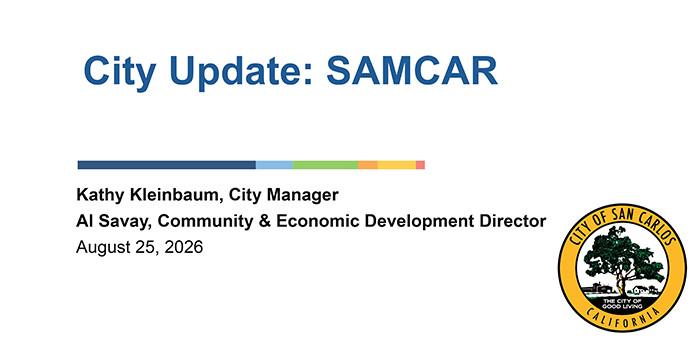
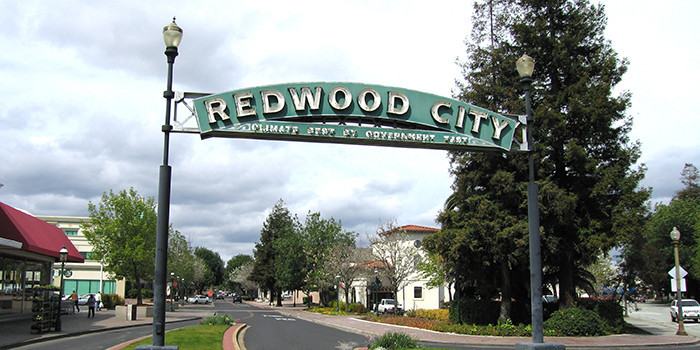
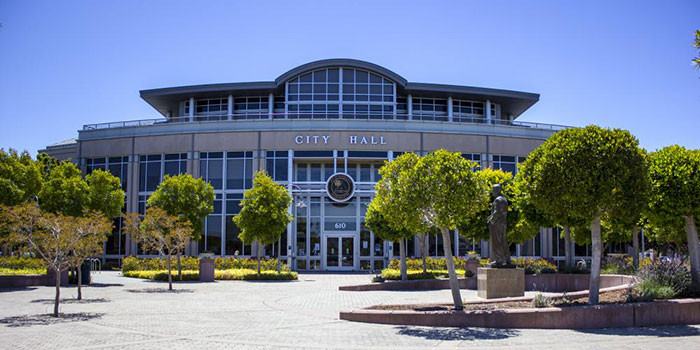
On August 25, 2025, the City Council in Foster City decided not to pursue a ballot measure in November 2026 to become a charter city, impose a residential property transfer tax, and commercial vacancy tax. Realtors, homeowners, and commercial property owners in Foster City faced the possibility that the council, by changing the city charter, would gain greater taxing authority to impose the taxes on future home sales and empty commercial properties.
SAMCAR Government Affairs engaged the city council and city manager's office prior to the August 25 study session arguing that residential property transfer taxes are volatile, unreliable, add costs to the purchase and/or sale of a home/building, decrease the affordability of housing, and taxpayers would have to pay for the ballot measure. Furthermore, that the tax unfairly places the burden of funding additional general city services, which are enjoyed by renters/non-residents, and visitors, on a narrow segment of the population. By adopting its own transfer tax, the city would also forfeit the portion of the county transfer tax. It was also pointed out that property owners are already dealing with rising property taxes, parcel taxes, school bonds, special assessments, and looming regional and state tax ballot measures.
With respect to the commercial vacancy tax, SAMCAR asked the city to consider alternatives, such as incentives to make property improvements, utilize existing nuisance abatement laws, delph into the reasons why it is hard to find commercial clients, and avoid registration requirements that could hurt property values. In addition, SAMCAR pointed out that the City of San Francisco recently delayed implementation of a commercial vacancy tax, citing harmful impacts to its local economy and businesses, and the Superior Court overturned San Francisco's residential property tax.
Instead of imposing more taxes on homeowners who already face outdated capital gains exclusion taxes should they sell their home (since the federal government has failed over the last two congressional sessions to increase the capital gains exclusion or added an index for these limits for future inflation), the city should explore more equitable solutions like incentivizing housing supply, promoting more for sale housing, economic development, attracting new high-tech companies, and/or a sales tax increase that includes renters, non-residents, and visitors.
Your voices were heard and thanks to SAMCAR's local advocacy efforts Realtors, homeowners, and commercial property owners in Foster City and can now breathe a sigh of relief that they will not have to pay these added taxes. Stay vigilant, however, as this issue may be brought up again in early 2026.