| Government Affairs |
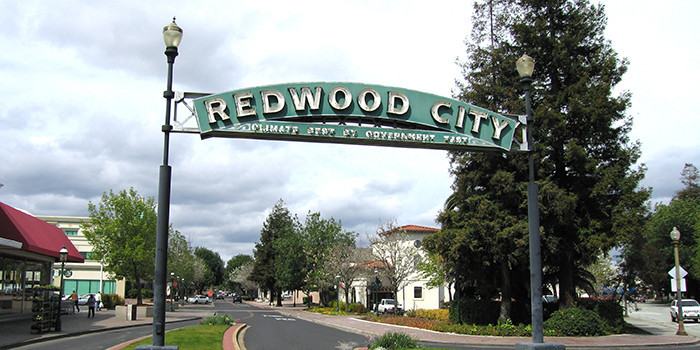
Redwood City Delays Action on Rent Control Ballot Measure
The Redwood City Council voted unanimously on June 8, 2026, to delay final action on a proposed rent control ballot initiative, requesting a supplemental economic impact report before deciding whether to place the measure before voters.
SAMCAR, housing providers, community stakeholders, and the California Apartment Association (CAA) urged the City Council to direct their consultant to conduct a more thorough review of the initiative's legal, fiscal, housing, and administrative impacts before taking action.
The initiative, sponsored by Faith in Action Bay Area, extends far beyond rent control. Buried in the 45-page document, the initiative calls for:
-
Establish a new, bureaucratic, city department that will cost up to $10 million dollars
-
Hiring up to 7 new employees
-
Expand just cause eviction regulations
-
Mandate small family housing providers to be subject to HUD Fair Market relocation assistance of up to $12,000, with an additional $6,000 for qualifying households
-
Right-to-return provisions
-
Anti-harassment rules
-
Tenant safety plan mandates
-
Buyout restrictions
-
Punitive enforcement administrative structure
Council members agreed that additional due diligence was necessary to fully understand the consequences of implementing this complex measure that was not drafted by the city.
SAMCAR shares these concerns. This is not a balanced housing policy. The proposal unfairly targets small family housing providers while doing little to address the underlying causes of housing affordability and housing supply. The measure would also limit annual rent increases to just 60% of the Consumer Price Index, ignoring state law and rising costs for insurance, maintenance, utilities, property taxes, labor, and regulatory compliance.
The initiative also ignores the many tenant support services already funded by Redwood City and San Mateo County, including mediation programs, legal assistance, rental assistance, housing counseling, and other resources designed to prevent displacement.
California voters have repeatedly rejected similar rent control measures, recognizing that rent control does not create housing, lower construction costs, nor increase supply. More recently, the cities of San Mateo and Half Moon Bay rejected rent control and a rental registry and instead focused on targeted rental assistance programs and housing solutions rather than punitive regulations.
The Council's decision to seek a supplemental economic impact analysis will provide residents and policymakers with a more complete understanding of the initiative's potential impacts on small family housing providers, developers, non-profit developers, renters, housing production, city finances, staff diversion of responsibilities, workforce recruitment, economic development, and long-term housing affordability before any final ballot action is taken.
Redwood City residents deserve balanced, objective information before casting their ballots, and a comprehensive review would help ensure transparency and public confidence in the process.