| Government Affairs |
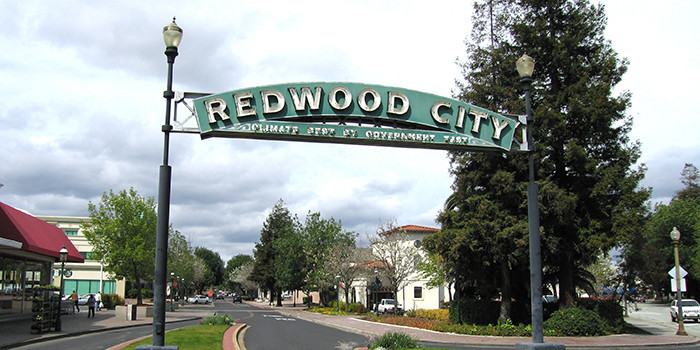
Redwood City Rent Control Measure Qualifies for November Ballot
A proposed rent control initiative introduced by a local organizing group, not the city council, has officially qualified for the November 2026 ballot in Redwood City, setting the stage for a major local campaign over housing policy and affordability.
The ballot measure would cap annual rent increases at 5% for certain multifamily rental properties and seeks punitive regulations on small family housing providers regarding increased tenant protections. Organizers describe the proposal as a way to address rising living costs in American society.
Critics of the measure were quick to argue that these policies have repeatedly failed to address the root causes of the housing crisis, namely supply.
SAMCAR has long opposed rent control policies because they discourage housing investment, reduce rental housing supply, and create unintended consequences that ultimately make affordability challenges worse, especially for family housing providers.
Rent control has been shown to reduce housing mobility, discourage maintenance and reinvestment, and push smaller family housing providers out of the market. The long-term solution to affordability is increasing housing supply, streamlining development, and reducing barriers to new construction, not doubling down on policies that have failed in city after city.
California already has statewide rent stabilization under AB 1482, which limits rent increases and includes eviction protections for many tenants. There are already numerous non-profits operating in San Mateo County providing services to both tenants and family housing providers. Opponents of the Redwood City measure argue that layering additional local regulations on top of existing state law risks further complicating the rental market while discouraging future housing production from developers, Realtors, and non-profit developers at a time when the region desperately needs more homes.
Critics also point to the experience of other California cities where aggressive rent control policies have coincided with reduced rental inventory, condominium conversions, deferred property maintenance, and rising costs for family housing providers. In some communities, smaller family housing providers have exited the market entirely due to increasing regulatory burdens and operational uncertainty.
Redwood City has already adopted the strongest Tenant Protection Ordinance in San Mateo County, adding local regulations governing leases, evictions, relocation assistance, and substantial remodel provisions. Housing advocates within the real estate industry warn that this latest ballot measure could further destabilize the local housing market and discourage long-term investment in rental housing.
Supporters of the initiative collected more than the required number of signatures to qualify the measure for the ballot by employing paid signature gathering firms after a previous attempt in 2024 failed to gather enough valid signatures.
The Redwood City Council is expected to consider the initiative at its June 8 meeting and will decide whether to adopt the ordinance directly or place it before voters in November. The city is also expected to produce an economic impact report showing how devastating this will be to taxpayers and the general fund, especially for the requirement to start a new city bureaucratic department.
As the campaign moves forward, SAMCAR is expected to continue advocating for policies focused on expanding housing opportunities, encouraging responsible investment, and addressing affordability through increased supply rather than punitive price controls.
Proposed Ordinance (Full Text)